How Do Insurance Companies Determine Fault After a Car Accident in Atlanta?
How Do Insurance Companies Determine Fault After a Car Accident in Atlanta?
Insurance companies determine car accident fault in Atlanta by reviewing the evidence, reconstructing how the collision happened, and applying Georgia negligence law. Adjusters typically examine police reports, vehicle damage, photographs, witness accounts, video footage, and driver statements. Their goal is to decide whose conduct caused the crash and whether responsibility should be shared.
That decision can directly affect your compensation. Georgia’s modified comparative negligence rule reduces damages when an injured person shares responsibility and bars recovery when that person is 50% or more responsible. An insurance company’s initial assessment, however, can be challenged. law.justia.com
Whether your collision happened on the Downtown Connector, at a Midtown intersection, or during a merge onto I-285, understanding the investigation can help you protect evidence and respond when an insurer disputes your claim.
What Does an Insurance Adjuster Look for When Assigning Fault?
An adjuster investigates the collision to evaluate legal responsibility and insurance coverage. Those are related questions, but they require separate analysis.
A driver may have caused a crash, yet disputes may remain about whether a particular policy covers the driver or provides enough coverage for the losses.
The basic negligence questions
A fault investigation generally considers four issues:
- Duty: Did the driver owe others a duty to use reasonable care?
- Breach: Did the driver act carelessly, such as by failing to yield or following too closely?
- Causation: Did that conduct cause or contribute to the collision and injuries?
- Damages: What injuries and financial losses resulted?
Evidence of unsafe driving must connect to the accident. For example, discovering that a driver was distracted matters most when the distraction explains a missed signal, delayed braking, or another action that contributed to the crash.
Adjusters also compare the drivers’ accounts against physical evidence. A detailed explanation supported by photographs and independent witnesses can carry more weight than an unsupported accusation.
What Evidence Helps Prove Car Accident Fault in Atlanta?
Different evidence answers different questions. A vehicle inspection may help establish the direction of impact, while a witness may explain which driver entered an intersection first.
Police reports and officer observations
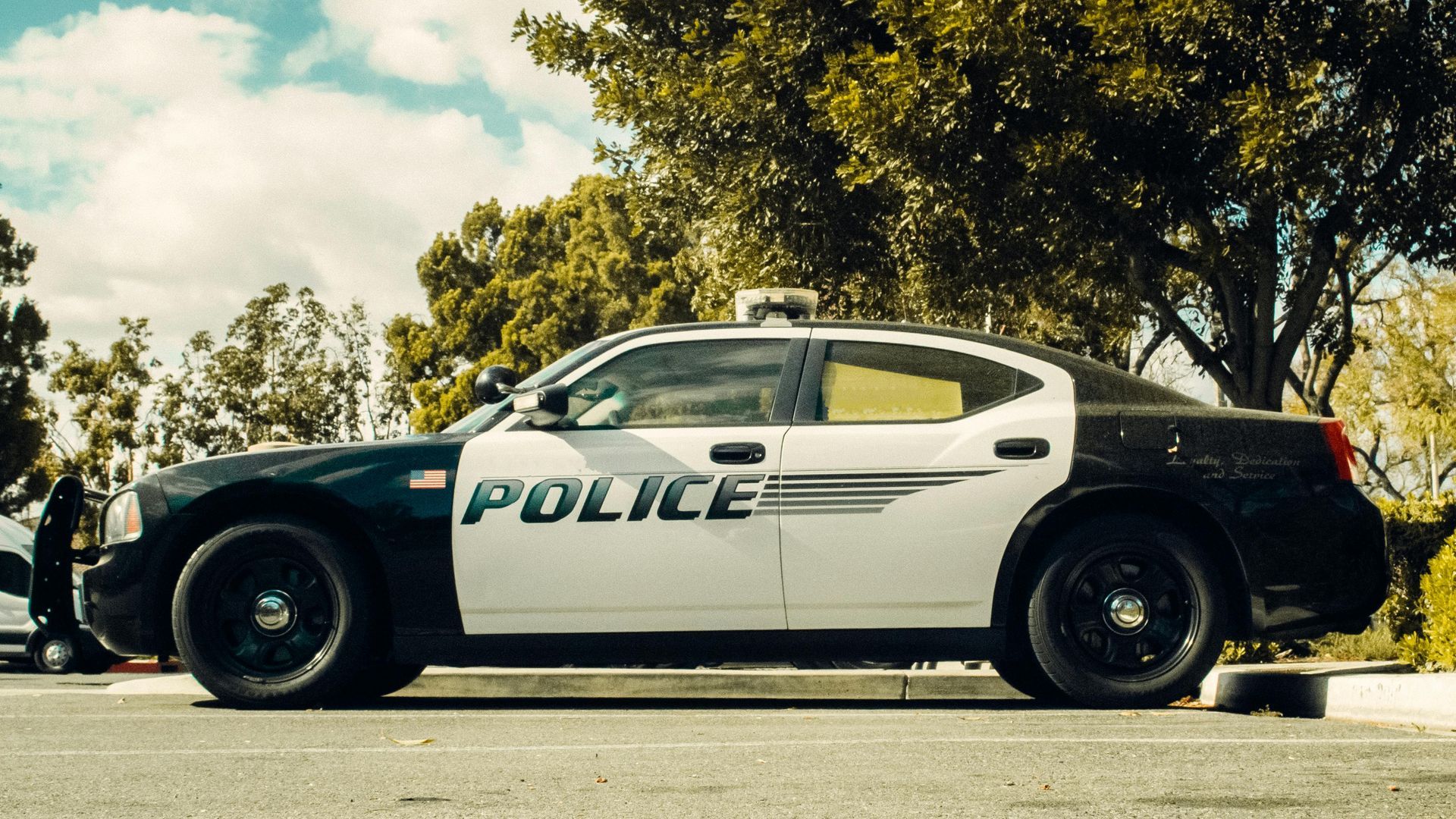
An accident report can identify drivers, witnesses, vehicle positions, road conditions, and reported contributing factors. An officer’s observations can provide useful leads, especially when the officer documented debris, skid marks, or statements made shortly after the collision.
However, the officer may not have witnessed the crash. A report can contain incomplete information, and a citation does not automatically resolve every question of civil liability.
For a collision investigated by the Atlanta Police Department, its Central Records Unit provides accident-report information and identifies an online purchasing option. If another agency investigated, request the report through that agency. Atlanta Police Department
Photographs and vehicle damage
Useful photographs include close views of damage and wider views showing:
- Lane markings and traffic signals.
- Vehicle positions, when safely documented.
- Debris and tire marks.
- Sight obstructions and roadway conditions.
- Nearby businesses or properties that might have cameras.
Damage patterns can support an account of how vehicles collided. They rarely establish the entire sequence by themselves, particularly when vehicles moved after impact or multiple collisions occurred.
Witnesses and video footage
Independent witnesses may clarify a disputed lane change or signal color. Obtain their contact information when possible.
Dashcam recordings, nearby security cameras, and other available footage may also help. Do not assume a nearby camera recorded the collision or that footage will remain available. Preservation requests should identify the location, date, and approximate time promptly.
Medical records and other documentation
Medical records help connect injuries to the collision and document treatment. Repair records, towing invoices, and wage documentation help establish losses.
These records serve a different purpose from proof of fault. A substantial medical bill establishes neither which driver caused the crash nor the full value of a claim without further analysis.
How Georgia’s Comparative Negligence Rule Affects Your Claim
Under O.C.G.A. § 51-12-33, an injured person’s damages are reduced according to their percentage of responsibility. A person who is
50% or more responsible cannot recover damages under this rule. law.justia.com
Consider a simplified hypothetical Atlanta intersection crash. A driver turns left across another vehicle’s path, but evidence also suggests the approaching driver was traveling too fast.
If the approaching driver’s damages total $100,000 and that driver is found 20% responsible, the comparative-fault reduction would leave $80,000 before other applicable adjustments or collection issues. At 50% responsibility, recovery would be barred.
This makes the explanation behind a fault percentage critical. An adjuster should be able to identify the evidence supporting an allegation that you contributed to the collision.
In a multi-vehicle crash, responsibility may involve several drivers or other parties. Identifying every contributing action requires more
than deciding which vehicle made the first contact.
How Fault Investigations Differ by Collision Type
The same evidence can have different significance depending on how the crash happened.
Rear-end accidents in stop-and-go traffic
Investigators often examine following distance, speed, braking, and whether traffic had stopped. They may also consider an abrupt
lane change, an earlier impact, or whether one vehicle was pushed into another.
Rear-end damage is relevant, but identifying the sequence matters. The last vehicle in a chain collision is not automatically responsible for every injury and every impact.
Left-turn and intersection crashes
Adjusters may focus on signal timing, sightlines, vehicle speed, and the point at which each driver entered the intersection.
For a hypothetical crash on a busy Atlanta corridor, both drivers might claim they had a green light. A nearby witness or recording could become more useful than either driver’s recollection alone.
Lane-change and merging collisions
Investigators compare lane positions, impact locations, signals, and the opportunity each driver had to avoid contact.
On the Downtown Connector, a sideswipe may involve disputes over which vehicle crossed a lane line. Photographs showing damage help, but video or independent observations may be needed to establish the movement preceding impact.
What Should You Do if the Insurance Company Blames You?
Start by asking for the insurer’s explanation in writing. Determine whether the dispute concerns fault, coverage, the cause of your injuries, or the amount of your losses. Each issue requires different supporting evidence.
Then take practical steps:
- Review the accident report. Identify inaccurate names, vehicle descriptions, statements, or roadway details.
- Organize your evidence. Keep photographs, correspondence, witness information, and claim documents together.
- Respond to specific allegations. Address the claimed unsafe action with evidence rather than a general denial.
- Preserve recordings and electronic information. Avoid deleting relevant messages or disposing of potentially important footage.
- Seek legal review when the dispute affects a significant injury claim. An attorney can assess missing evidence and available options.
If a report contains a factual error, ask the investigating agency about its correction or supplemental-report process. The agency may decline to change an officer’s conclusion, but you can still provide contrary evidence to the insurer.
A personal injury attorney can also evaluate whether accident reconstruction or another expert would help. Expert work is most useful when it answers a material question that ordinary photographs and testimony cannot resolve.
Protect Your Claim While the Investigation Continues
Report the collision to your insurer promptly and follow applicable policy requirements. Georgia’s insurance regulator recommends collecting driver and witness information, documenting the scene, and notifying your insurer even when someone else caused the accident. oci.georgia.gov
Be accurate when describing what happened. Separate what you personally observed from what you inferred afterward. Avoid guessing about speed, distance, or another driver’s intentions.
Your obligations to your own insurer may differ from requests made by the other driver’s insurer. Before providing a recorded statement about disputed facts, understand who is requesting it and whether your policy requires cooperation.
Also watch legal deadlines. Under O.C.G.A. § 9-3-33, Georgia personal injury lawsuits generally must be filed within two years after the claim accrues, commonly the accident date. Exceptions can affect that calculation, and claims involving government entities may require earlier notice. Insurance negotiations generally do not pause the filing deadline. law.justia.com
Frequently Asked Questions About Atlanta Car Accident Fault
Can I pursue a claim if nobody received a ticket?
Yes. A traffic citation is not a requirement for a personal injury claim. Evidence may establish careless driving even when an officer did not issue a citation or could not determine who caused the collision. Photographs, testimony, and recordings may still support your account.
What happens if the drivers give conflicting statements?
The adjuster should evaluate the statements alongside other evidence. Witnesses, damage patterns, footage, and scene documentation may help resolve inconsistencies. If the evidence remains disputed, the insurers may maintain different positions, requiring further negotiation or litigation.
Can I use collision coverage while fault is disputed?
If your policy includes applicable collision coverage, it may help pay for covered vehicle damage, subject to the deductible and policy terms. Your insurer may later seek reimbursement from a responsible party. Ask how that process could affect your deductible; reimbursement is not guaranteed.
Does an insurer’s fault decision bind a court?
An insurer’s assessment is a claims position. If a lawsuit proceeds, legal responsibility is determined through the court process based on applicable law and admissible evidence. An insurer’s refusal to accept responsibility does not, by itself, establish that you lack a valid claim.
Should I accept a settlement while I am still receiving treatment?
Before accepting, understand which claims the agreement releases and whether future treatment needs remain uncertain. A release may prevent you from seeking additional compensation for covered claims later. Ongoing treatment, disputed fault, and unclear future losses are reasons to obtain legal advice before signing.
Discuss Your Atlanta Car Accident With The Lopes Law Firm
Fault investigations depend on the evidence available and how that evidence fits Georgia law. An incomplete report, missing recording, or unsupported allegation of shared responsibility can materially affect a claim.
If you were injured in an Atlanta, Georgia, car accident and an insurance company disputes responsibility, contact The Lopes Law Firm to discuss your circumstances and potential next steps. Bring the accident report, photographs, insurance correspondence, and available treatment records so the discussion can focus on the facts that matter.